Author

admin

Browsing

Silver surged past US$100 per ounce for the first time in January before retreating below the US$80 level, marking a volatile start to 2026 as the precious metal faces renewed investor appeal.

In its latest annual outlook, published on February 10, the Silver Institute notes that the rally comes after a year when silver saw its strongest annual performance since 1979. Investor interest accelerated into early 2026 and pushed the price to multiple record highs, driving the gold-silver ratio below 50 for the first time since 2012.

Looking forward, global silver investment is expected to remain strong this year as the market posts its sixth consecutive annual deficit. The Institute’s forecast, based on analysis by London-based consultancy Metals Focus, points to a 67 million ounce shortfall in 2026, with total demand once again outstripping total supply.

Silver supply in 2026

On the supply side, total global silver output is forecast to increase by 1.5 percent in 2026 to 1.05 billion ounces, the highest level in a decade. Mine production is expected to edge up 1 percent to 820 million ounces, supported by stronger output from existing operations and newly commissioned projects.

Mexico is forecast to deliver much of the growth from primary silver mines. In China, higher output is expected from China Gold International Resources’ (TSX:CGG,OTCPL:JINFF) Jiama polymetallic mine as expansion continues.

Canada is projected to see gains from projects such as Hecla Mining’s (NYSE:HL) Keno Hill and New Gold’s (TSX:NGD,NYSEAMERICAN:NGD) New Afton, which is being acquired by Coeur Mining (NYSE:CDE). Morocco’s Zgounder mine is also ramping up production, while Peru is expected to record declines at certain operations.

By-product silver from primary gold mines is forecast to increase. Contributions are expected from Barrick Mining’s (TSX:ABX,NYSE:B) Pueblo Viejo in the Dominican Republic, Gold Fields’ (NYSE:GFI) Salares Norte in Chile and the Nezhda project in Russia, owned by SolidCore (formerly Polymetal International).

Output from primary silver mines is expected to remain largely flat, accounting for 28 percent of total mine supply.

Silver recycling supply is projected to rise 7 percent, exceeding 200 million ounces for the first time since 2012, as elevated price levels encourage scrap flows, particularly from silverware.

Although the silver price has cooled since this year’s highs, the Institute notes that it’s established technical support and remains underpinned by tight physical supply and ongoing macroeconomic uncertainty.

Many forces that drove silver in 2025 remain in place. Constrained physical availability in London, geopolitical tensions, US policy uncertainty and concerns about the US Federal Reserve’s independence continue to provide support.

Silver demand in 2026

On the demand side, total global silver consumption is forecast to remain broadly flat in 2026. Gains in physical investment are expected to offset weakness in jewelry, silverware and some industrial segments.

Meanwhile, industrial fabrication, the largest component of silver demand, is projected to decline by 2 percent to around 650 million ounces, marking a four year low.

As in 2025, the drag is seen coming primarily from the photovoltaic (PV) sector.

Although solar installations worldwide are expected to continue expanding, manufacturers are reducing silver use per panel through thrifting and substitution, resulting in lower silver demand from PV applications.

Other industrial uses offer partial relief. Growth in data centers, artificial intelligence technologies and automotive electronics is expected to sustain silver consumption across several end uses, mitigating some of the PV losses.

Consumer demand, however, remains under pressure from record-high prices. Jewelry demand is forecast to fall more than 9 percent to 178 million ounces, marking the lowest level since 2020.

In contrast, physical investment demand is set to strengthen considerably.

The Institute projects a 20 percent rise to a three year high in physical investment to 227 million ounces.

After three consecutive annual declines, western retail demand is expected to rebound as investors respond to silver’s price momentum and persistent macroeconomic risks.

Exchange-traded product holdings currently stand at an estimated 1.31 billion ounces, and coin and bar demand has firmed in recent months. As of February 9, the silver price was up 11 percent year-to-date.

Silver deficit to persist

Even with higher supply and recycling, the silver deficit is set to persist. The Institute notes that the global silver market will continue to rely on the drawdown of aboveground bullion inventories to bridge the gap.

While volatility is likely to continue, the Institute forecasts that strength in gold and sustained physical tightness may help cushion risks for silver as it navigates another year defined by deficit and demand.

Securities Disclosure: I, Giann Liguid, hold no direct investment interest in any company mentioned in this article.

This post appeared first on investingnews.com

Bragason has held senior leadership roles in 650 mW+ of Geothermal Energy Infrastructure Deployment Totalling ~$3.3b, Including the World’s Largest Geothermal Power Plant, Hellisheidi in Iceland.

Syntholene Energy CORP (TSXV: ESAF,OTC:SYNTF) (FSE: 3DD0) (OTCQB: SYNTF) (‘Syntholene’), announces the appointment of Eirikur Bragason as Lead Project Manager for Syntholene’s planned synthetic fuel demonstration facility and future commercial scale-up at its cornerstone production footprint in Iceland. Mr. Bragason will support Syntholene’s infrastructure development strategy, project governance, technical risk management, and expansion efforts.

Mr. Bragason brings more than 25 years of experience in geothermal energy development, large-scale power infrastructure, and complex project execution across Europe, Asia, and the Americas, strengthening the Company’s depth in geothermal energy, power plant construction, and large-scale energy infrastructure delivery.

Mr. Bragason has acted as Chief Project Manager or Senior Technical Lead on some of the world’s most significant geothermal and renewable energy projects. These include the Hellisheidi Geothermal Power Plant in Iceland, a combined 300 megawatt electric and 400 megawatt thermal facility recognized as the largest geothermal power plant on Earth. He also served as the Deputy General Manager of Sinopec Green Energy, overseeing a total of 4.2 gigawatts of thermal energy in operation encompassing a total investment of approximately $6 billion. Mr. Bragarson has further overseen major geothermal project development across Indonesia, the Philippines, Hungary, China, and Central Europe.

‘Syntholene is pursuing a technically rigorous and commercially disciplined approach to synthetic fuel production, differentiated by its unique integration of geothermal energy,’ commented Mr. Bragason. ‘I look forward to supporting the company as it transitions from demonstration facility to commercial scale, showcasing its potential to materially improve the economics of clean fuels.’

‘Eirikur is one of the most experienced geothermal project leaders in the world,’ said Dan Sutton, CEO of Syntholene. ‘His direct experience delivering utility-scale geothermal infrastructure, managing multinational development teams, and executing complex energy projects is aligned with Syntholene’s commercial scale-up strategy. As we advance our thermal hybrid power-to-liquids platform and deploy geothermal-anchored synthetic fuel production, his insight and operational discipline will be invaluable.’

Mr. Bragason is a globally recognized expert in geothermal power plant project management. Most recently, he served as Chief Operating Officer of Arctic Green Energy, where he oversaw international geothermal platform development and operational execution. Prior to that, he was Chief Executive Officer and Chief Project Manager of KS Orka Renewables and Orka Energy in Singapore, leading the development and delivery of geothermal assets across multiple jurisdictions.

About Geothermal Energy in Iceland

Iceland’s unique geological position atop the Mid-Atlantic Ridge provides exceptional access to high-temperature geothermal energy, which today serves as a cornerstone of its 100% renewable electricity grid, as well as providing over 90% of the nation’s district heating. This baseload power is characterized by its high capacity factors, often exceeding 90%, providing a level of grid stability that distinguishes it from intermittent renewables like wind and solar.

According to data from the Low-Carbon Power 2025 Report, Iceland’s geothermal infrastructure currently boasts an installed capacity of approximately 799 megawatts electrical equivalent (e), contributing nearly 28% of the country’s total electricity generation. The existing infrastructure, managed by leaders such as Landsvirkjun and ON Power, includes world-class facilities like the Hellisheidi and Reykjanes plants, which are increasingly integrating carbon capture and storage (CCS) technologies to move toward carbon-negative operations.

The National Energy Authority of Iceland (Orkustofnun) identifies a massive ‘understood potential’ for future development through the Master Plan for Nature Protection and Energy Utilization. Current estimates suggest that Iceland’s total geothermal energy potential for electricity generation is approximately 20 terawatt hours per year of high-enthalpy energy available for industrial scaling.

This stable political and geological environment has positioned Iceland as a hub for long-term industrial expandability, particularly for high-energy users in the eFuel and Digital Infrastructure sectors. Reports from atNorth and Country Reports note that the ‘predictable, low-cost nature of Icelandic geothermal power’ is attracting a new wave of industrial tenants, including eFuel producers and AI-ready data centers, who require scalable, 24/7 renewable energy to meet global ESG mandates.

Iceland continues to leverage its ‘geothermal-first’ policy to foster strategic collaborations between energy producers and prospective industrial customers. This synergy bolsters confidence that industrial users can secure long-term power purchase agreements (PPAs) that are insulated from the volatility of global fossil fuel markets, solidifying Iceland’s role as an energy powerhouse of the North Atlantic.

About Syntholene

Syntholene is actively commercializing its novel Hybrid Thermal Production System for low-cost clean fuel synthesis. The target output is ultrapure synthetic jet fuel, manufactured at 70% lower cost than the nearest competing technology today. The company’s mission is to deliver the world’s first truly high-performance, low-cost, and carbon-neutral synthetic fuel at an industrial scale, unlocking the potential to produce clean synthetic fuel at lower cost than fossil fuels, for the first time.

Syntholene’s power-to-liquid strategy harnesses thermal energy to power proprietary integrations of hydrogen production and fuel synthesis. Syntholene has secured 20MW of dedicated energy to support the Company’s upcoming demonstration facility and commercial scale-up.

Founded by experienced operators across advanced energy infrastructure, nuclear technology, low-emissions steel refining, process engineering, and capital markets, Syntholene aims to be the first team to deliver a scalable modular production platform for cost-competitive synthetic fuel, thus accelerating the commercialization of carbon-neutral eFuels across global markets.

For further information, please contact:
Dan Sutton, CEO
comms@syntholene.com 
www.syntholene.com
+1 608-305-4835

X: @Syntholene
Linkedin: Syntholene Energy
Youtube: Syntholene Energy

Investor Relations
KIN Communications Inc.
604-684-6730
ESAF@kincommunications.com

Neither TSX Venture Exchange nor its Regulation Services Provider (as that term is defined in policies of the TSX Venture Exchange) accepts responsibility for the adequacy or accuracy of this release.

Forward-Looking Statements

This press release contains forward-looking statements within the meaning of applicable securities laws. The use of any of the words ‘expect’, ‘anticipate’, ‘aims’, ‘continue’, ‘estimate’, ‘objective’, ‘may’, ‘will’, ‘project’, ‘should’, ‘believe’, ‘plans’, ‘intends’ and similar expressions are intended to identify forward-looking information or statements. All statements, other than statements of historical fact, including but not limited to statements regarding the completion of the demonstration facility, commencement commercialization efforts, potential to materially improve the economics of clean fuel, the successful implementation of the test facility, commercial scalability, technical and economic viability, anticipated geothermal power availability, anticipated benefit of eFuel, and future commercial opportunities, are forward-looking statements.

The forward-looking statements and information are based on certain key expectations and assumptions made by the Company, including without limitation the assumption that the Company will be able to execute its business plan, that the eFuel will have its expected benefits, that there will be market adoption, and that the Company will be able to access financing as needed to fund its business plan. Although the Company believes that the expectations and assumptions on which such forward-looking statements and information are based are reasonable, undue reliance should not be placed on the forward-looking statements and information because the Company can give no assurance that they will prove to be correct. Since forward-looking statements and information address future events and conditions, by their very nature, they involve inherent risks and uncertainties.

Actual results could differ materially from those currently anticipated due to a number of factors and risks, including, without limitation, Syntholene’s ability to meet production targets, realize projected economic benefits, overcome technical challenges, secure financing, maintain regulatory compliance, manage geopolitical risks, and successfully negotiate definitive terms. Syntholene does not undertake any obligation to update or revise these forward-looking statements, except as required by applicable securities laws.

Readers are advised to exercise caution and not to place undue reliance on these forward-looking statements.

To view the source version of this press release, please visit https://www.newsfilecorp.com/release/284115

News Provided by TMX Newsfile via QuoteMedia

This post appeared first on investingnews.com

LONDON, UK / ACCESS Newswire / February 17, 2026 / Empire Metals Limited (LON:EEE)(OTCQX:EPMLF), the AIM-quoted and OTCQX-traded exploration and development company, is pleased to announce the commencement of a major drilling campaign at the Pitfield Project in Western Australia (‘Pitfield’ or the ‘Project’). This programme is designed to evaluate the extent of the giant TiO2 mineral system at Pitfield, expand the Cosgrove Mineral Resource Estimate (MRE), and enhance the confidence levels associated with the MRE at Thomas.

Highlights

  • A total of 754 drill holes are planned:

    • 683 Air Core (‘AC’) drillholes for approximately 34,150 metres, and

    • 71 Reverse Circulation (‘RC’) drillholes for approximately 7,100 metres,

    • totalling 41,250 metres of drilling.

  • The fully funded campaign will utilise 3 AC drill rigs and 2 RC rigs and drilling is expected to be completed by mid-April.

  • The key outcome of the drilling will be an updated MRE at Thomas, with increased resource classification into the Measured and Indicated categories, and a significantly larger updated MRE at Cosgrove.

  • Updated MRE anticipated in Q3 2026 to support ongoing engineering and study work.

Shaun Bunn, Managing Director, said:‘We are pleased to commence this important drilling campaign at Pitfield, focused on upgrading our maiden MRE from the Thomas and Cosgrove Prospects (announced 14 October 2025) and extending the exploration target area. This fully-funded campaign is the largest undertaken to date at Pitfield and will significantly improve our understanding of the scale and grade of the Pitfield MRE, and also increase the confidence levels of Measured and Indicated Resources in readiness for developing mine design and Ore Reserves.’

Drilling Programmes

The titanium discovery at Pitfield is of unprecedented scale and hosts one of the largest and highest-grade titanium resources reported globally, with a current MRE totalling 2.2 billion tonnes grading 5.1% TiO₂ for 113 million tonnes of contained TiO₂.

The MRE, which covers only the Thomas and Cosgrove deposits, includes a weathered zone resource of 1.26 billion tonnes at 5.2% TiO₂ and a significant Indicated Resource of 697 million tonnes at 5.3% TiO₂, predominantly from the Thomas deposit. Titanium mineralisation at Pitfield occurs from surface and displays exceptional grade continuity along strike and down dip. The MRE extends across just 20% of the known mineralised footprint, providing substantial potential for further resource expansion.

Since commencing the maiden drilling campaign at Pitfield on 27 March 2023, Empire has completed 390 drill holes for a total 33,001 metres comprising:

  • 25 DD drill holes for 3,449 m

  • 140 RC drill holes for 18,764 m

  • 225 AC drill holes for 10,797 m.

Diamond drilling was recently conducted at the Thomas prospect, from mid-November to mid-December 2025 (announced 12 November 2025). A total of 8 holes were drilled for 745.1m.

The diamond drilling targeted the high-grade central core identified within the Thomas MRE with the primary purpose of generating ore samples for metallurgical and geotechnical testwork. The whole drill core underwent extensive geotechnical evaluation prior to cutting core samples. A quarter core sample was collected for assay analysis. These samples have been submitted to the analytical laboratory for analysis, with final results expected in Q1 2026.

Largest drilling campaign to date to commence at Pitfield

An extensive AC and RC drill programme has been planned at Pitfield consisting of exploration drilling, initial mineral resource drilling and infill mineral resource drilling. AC drilling has previously been used at Pitfield to drill-test the weathered cap and collect bulk metallurgical samples (announced 28 April 2025). It is a cost-effective, efficient and proven drilling method at Pitfield that is commonly used for shallow exploration projects, and the success of the previous drilling campaigns has confirmed its suitability for use in the Pitfield MREs.

The drill programme, the largest at Pitfield to date, will cover an area 37km long and up to 12km wide. There are 754 holes planned for a total of 41,250m. All programmes will take place in parallel ensuring the drilling is more efficient and cost effective. It is expected that the drilling will begin in late February and finish in mid-April. There will be up to 5 drill rigs at the project. Once completed, Empire will have drilled close to 75,000 meters at Pitfield.

The exploration drilling will be focused on delineating the extents of the giant Pitfield Ti-rich mineral system. Recent drilling has focussed on the Thomas and Cosgrove prospects to delineate MREs, however this has focussed on less than 20% of the currently known surface area of the mineral system. This exploration drilling campaign will generate data that will provide a much better understanding of the size of the system, the mineralisation and associated alteration and extend the area explored by drilling to 60-70% of the currently identified area of mineralization. Furthermore, the drilling will also provide essential information to support the study phase regarding the location of high-grade titanium mineralisation and the potential sites for process and infrastructure facilities.

At Thomas, AC and RC drilling will take place on a smaller spaced grid (100m x 100m) over the higher grade TiO2 rich core of the deposit to increase the confidence level of the current MRE. The drilling will focus on the weathered zone where the anatase is most prevalent.

At Cosgrove, an extensive AC and RC programme will occur to extend the current MRE to the north and the south. This drilling, as at Thomas, will be focussed on the weathered zones with the aim of significantly increasing the current MRE of 430Mt @ 5.8% TiO2. The location and spacing of the planned AC/RC drillholes have been designed to complement the existing MRE and allow the data generated from this drill programme to be incorporated with the existing MRE data which will potentially mean efficiencies in generating the updated MRE for Cosgrove.

The AC and RC drillholes will be geologically logged and sub-sampled on 2m intervals and geochemically analysed; this data will provide the basis for the updated MREs at Thomas and Cosgrove Prospects.

The drilling is expected to finish mid-April with all samples to be at Intertek Analytical Laboratory in Perth by the end of April.

Figure 1. Satellite image of Pitfield showing planned drill collars in relation to current MRE outlines.

Competent Person Statement
The technical information in this report that relates to the Pitfield Project has been compiled by Mr Andrew Faragher, an employee of Empire Metals Australia Pty Ltd, a wholly owned subsidiary of Empire. Mr Faragher is a Member of the Australian Institute of Mining and Metallurgy (AusIMM). Mr Faragher has sufficient experience that is relevant to the style of mineralisation and type of deposit under consideration and to the activity being undertaken to qualify as a Competent Person as defined in the 2012 Edition of the ‘Australasian Code for Reporting of Exploration Results, Mineral Resources and Ore Reserves’. Mr Faragher consents to the inclusion in this release of the matters based on his information in the form and context in which it appears.

**ENDS**

For further information please visit www.empiremetals.co.uk or contact:

Empire Metals Ltd

Shaun Bunn / Greg Kuenzel / Arabella Burwell

Tel: 020 4583 1440

S. P. Angel Corporate Finance LLP (Nomad & Joint Broker)

Ewan Leggat / Adam Cowl

Tel: 020 3470 0470

Canaccord Genuity Limited (Joint Broker)

James Asensio / Christian Calabrese / Charlie Hammond

Tel: 020 7523 8000

Shard Capital Partners LLP (Joint Broker)

Damon Heath

Tel: 020 7186 9950

Tavistock (Financial PR)

Emily Moss / Josephine Clerkin

empiremetals@tavistock.co.uk

Tel: 020 7920 3150

About Empire Metals Limited
Empire Metals Ltd (AIM:EEE)(OTCQX:EPMLF) is an exploration and resource development company focused on the commercialisation of the Pitfield Titanium Project, located in Western Australia. The titanium discovery at Pitfield is of unprecedented scale and hosts one of the largest and highest-grade titanium resources reported globally, with a Mineral Resource Estimate (MRE) totalling 2.2 billion tonnes grading 5.1% TiO₂ for 113 million tonnes of contained TiO₂.

Titanium mineralisation at Pitfield occurs from surface and displays exceptional grade continuity along strike and down dip. The MRE extends across just 20% of the known mineralised footprint, providing substantial potential for further resource expansion.

Conventional processing has already produced a high-purity product grading 99.25% TiO₂, suitable for titanium sponge metal or pigment feedstock. With excellent logistics and established infrastructure, Pitfield is strategically positioned to supply the growing global demand for titanium and other critical minerals.

This information is provided by RNS, the news service of the London Stock Exchange. RNS is approved by the Financial Conduct Authority to act as a Primary Information Provider in the United Kingdom. Terms and conditions relating to the use and distribution of this information may apply. For further information, please contact rns@lseg.com or visit www.rns.com.

SOURCE: Empire Metals Limited

View the original press release on ACCESS Newswire

News Provided by ACCESS Newswire via QuoteMedia

This post appeared first on investingnews.com

Gold and silver were having a fairly quiet week until Thursday (February 12), when both precious metals experienced steep drops early in the day.

The gold price, which had been steady above US$5,000 per ounce, and even briefly breached US$5,100, tumbled by over US$100, bottoming out around US$4,900.

Meanwhile, silver sank from above US$80 per ounce to below US$75.

Market watchers have presented various reasons for these declines, with a mainstream talking point being that the precious metals were moving in line with the broader stock market.

Thursday brought declines in major US indexes as investors reportedly reacted to concerns that various industries could be negatively impacted by AI automation.

Of course, with gold and silver it’s always possible that there’s more going on beneath the surface. Many of our popular YouTube channel guests reacted to this week’s price drop on X, with some, including Willem Middelkoop and Craig Hemke, suggesting manipulation was at play.

I’ve also read that a Russian memo seen by Bloomberg may have had a dampening effect on gold — the report details proposals sent by the Kremlin that could see the country return to the US dollar settlement system as part of an economic partnership with the Trump administration.

Whatever the reason for the decrease was, gold and silver had bounced back by Friday (February 13), with silver getting back above US$77 and gold closing at the US$5,043 level.

The rebound came despite slightly cooler than expected US consumer price index data, which eased inflation concerns and boosted interest rate cut expectations from the US Federal Reserve.

Looking forward, I want to emphasize again that the broad consensus among the experts I’ve been speaking to continues to be that the run in gold and silver prices isn’t over.

However, that doesn’t mean the path will be straight up. I heard this week from Keith Weiner of Monetary Metals, who spoke about the importance of weathering volatility:

‘I mean, we’re in dollar bear market for reasons. And so people better be prepared for the volatility, because as things go off the rails, which is what’s happening to the dollar, yeah, there’s volatility. And there’s days when people can’t sell the dollar enough, and there’s days when they’re desperately, urgently trying to grab as many fistfuls of dollars as they can, and the dollar is extremely well bid — you’ll see that as the price of gold falling. So you’re going to get it both ways, but the trend is clear and the drivers are clear.’

Keith is calling for US$6,000 gold in 2026 and a silver price of US$120 by the end of the year. The US$6,000 number is in line with recent projections from BNP Paribas and CIBC, whose forecasts indicate that major banks also still see strength in gold.

Bullet briefing — Top takeover candidates

Merger talks between commodities giants Rio Tinto (ASX:RIO,NYSE:RIO,LSE:RIO) and Glencore (LSE:GLEN,OTCPL:GLCNF) have fallen through, nixing what would have been the mining industry’s biggest-ever deal, but M&A activity in the space continues to heat up.

A new survey from TD Cowen identifies IAMGOLD (TSX:IMG,NYSE:IAG) as the year’s top takeover candidate, with close to 20 percent of the 58 respondents pointing to the company.

Artemis Gold (TSXV:ARTG,OTCQX:ARGTF) was in second place at 11 percent, while Arizona Sonoran Copper Company (TSX:ASCU,OTCQX:ASCUF) was third at 7 percent.

Almost all of the respondents, who included institutional investors and mining executives, said they expect to see more gold, silver and copper M&A in 2026 compared to last year.

We’ll have to wait and see how any potential deals play out, including Barrick Mining’s (TSX:ABX,NYSE:B) planned initial public offering for its North American gold assets.

Newmont (NYSE:NEM,ASX:NEM), Barrick’s partner at the Nevada Gold Mines joint venture, said it is concerned about the management of the operation, and wants to see improvements — a clash between the two miners could end up disrupting Barrick’s plans.

Securities Disclosure: I, Charlotte McLeod, hold no direct investment interest in any company mentioned in this article.

This post appeared first on investingnews.com

The head of the Justice Department’s antitrust unit said Thursday she is leaving the role, effective immediately, at a critical moment for corporate mergers in America.

Gail Slater, the assistant attorney general in charge of the Antitrust Division, wrote on X: ‘It is with great sadness and abiding hope that I leave my role as AAG for Antitrust today.’

Slater continued, ‘It was indeed the honor of a lifetime to serve in this role. Huge thanks to all who supported me this past year, most especially the men and women of’ the Department.

The White House referred questions to the Justice Department.

Attorney General Pam Bondi said in a statement, “On behalf of the Department of Justice, we thank Gail Slater for her service to the Antitrust Division which works to protect consumers, promote affordability, and expand economic opportunity.”

Slater is leaving just as media giants Netflix and Paramount Skydance battle for control of Warner Bros. Discovery.

President Donald Trump had said he was going to get involved in reviewing whichever Warner Bros. deal proceeds, an uncommon occurrence in antitrust matters.

But in an interview with NBC News, Trump slightly changed his tune. ‘I’ve been called by both sides, it’s the two sides, but I’ve decided I shouldn’t be involved,’ he said.

‘The Justice Department will handle it.’

Trump has met with executives from both of Warner Bros.’ bidders.

The Justice Department will also head to court in weeks in a bid to challenge concert venue manager Live Nation’s ownership of Ticketmaster.

Shares of Live Nation jumped as much as 5.8% after Slater announced her departure. By 1 p.m. ET, the rally had abated to around 2.5%.

When the Senate confirmed Slater, 78 senators from both sides of the aisle voted in her favor. Only 19 opposed her confirmation.

This week, her deputy in the Antitrust Division also departed.

Mark Hamer, deputy assistant attorney general for the Antitrust Division, wrote on LinkedIn, ‘Decided the time is right for me to return to private practice.’ He praised Slater as a ‘leader of exceptional wisdom, strength and integrity.’

This post appeared first on NBC NEWS

Here’s a quick recap of the crypto landscape for Friday (February 13) as of 9:00 p.m. UTC.

Get the latest insights on Bitcoin, Ether and altcoins, along with a round-up of key cryptocurrency market news.

Bitcoin (BTC) was priced at US$68,987.01, up 5.2 percent over the last 24 hours.

Bitcoin price performance, February 13, 2026.

Chart via TradingView.

A constructive scenario over the next three to six months depends on gradual improvement in global liquidity, moderation in yields and steady exchange-traded fund (ETF) inflows.

According to Tran, if financial conditions tighten or additional liquidity stress occurs, the market may need another washout to rebalance leverage. Ultimately, the return of confidence, reflected through durable and sustainable capital inflows, is what matters most for the transitional phase.

Ether (ETH) was priced at US$2,054.76, up by 7 percent over the last 24 hours.

Altcoin price update

  • XRP (XRP) was priced at US$1.41, up by 4.7 percent over 24 hours.
  • Solana (SOL) was trading at US$85.01, up by 10.2 percent over 24 hours.

Today’s crypto news to know

Coinbase posts US$667 million Q4 loss

Coinbase Global (NASDAQ:COIN) reported a fourth quarter net loss of US$667 million as falling crypto prices weighed on its revenue and the value of its investment portfolio. The company’s revenue came in at US$1.78 billion, below analysts’ expectations, making a 22 percent decline from a year earlier.

The firm attributed much of the loss to a US$718 million drop in portfolio value, largely unrealized, alongside weaker transaction activity. Shares slid ahead of the release and have fallen more than 55 percent over the past six months as cryptocurrencies retreated. Despite the surprise slide, CEO Brian Armstrong sought to reassure investors, saying the firm remains “deliberately well capitalized” with US$11.3 billion in cash and equivalents.

He added that retail customers are largely holding rather than selling, even as volatility persists.

Bitcoin ETFs lose US$410 million

Spot Bitcoin ETFs saw US$410 million in outflows on Thursday (February 12), extending a rocky stretch that has drained nearly US$1.5 billion over two weeks.

The iShares Bitcoin Trust ETF (NASDAQ:IBIT) led the pullback, followed by Fidelity and Grayscale products, as institutional investors recalibrated positions amid macro uncertainty.

Treasury chief pushes CLARITY Act as crypto selloff deepens

US Secretary of the Treasury Scott Bessent urged Congress to pass the Digital Asset Market CLARITY Act this spring, arguing that it will provide stability to markets rattled by volatility.

Speaking on CNBC and later before the Senate Banking Committee, Bessent said the bill will give “great comfort to the market,” and warned that parts of the crypto industry are resisting what he called “very good regulation.”

“There seems to be a nihilist group in the industry who prefers no regulation over this very good regulation,” he told lawmakers, drawing support from Senator Mark Warner.

The legislation has stalled amid disputes over stablecoin yield, DeFi oversight and token classifications, with critics — including Coinbase CEO Brian Armstrong — raising objections. Bessent cautioned that a bipartisan coalition backing the bill could fracture if Democrats retake the House in November. Warner, meanwhile, stressed unresolved concerns around illicit finance and national security risks tied to DeFi.

HIVE’s BUZZ HPC platform secures US$30 million in AI cloud contracts

BUZZ High Performance Computing (HPC), a Hive Digital Technologies (TSXV:HIVE,NASDAQ:HIVE) platform, announced that it has signed customer agreements valued at approximately US$30 million over two year fixed terms for artificial intelligence (AI) cloud contracts. The new contracts will support the initial phase of BUZZ’s AI-optimized GPU deployment at its Canada West location in Manitoba, with compute capacity expected to be online during the quarter ending on March 31, 2026. This phase consists of 504 liquid-cooled Dell Technologies (NYSE:DELL) server-based GPUs.

This initial phase is expected to generate about US$15 million in annual recurring revenue (ARR) to BUZZ’s cloud business once fully operational, increasing HIVE’s total annualized HPC segment revenue to roughly US$35 million.

HIVE said it aims to scale its HPC GPU AI cloud business toward approximately US$140 million in ARR over the next year. The company is using vendor financing and strategic partnerships to scale efficiently and pursue a “dual-engine strategy” of hashrate services and GPU-accelerated AI computing across its facilities in Canada, Sweden and Paraguay.

Taurus and Blockdaemon partner to expand institutional staking

Taurus, a Swiss fintech firm that provides digital asset infrastructure for banks and financial institutions, announced an agreement with blockchain infrastructure company Blockdaemon that will allow banks to offer staking yields to their clients without having to move those assets out of tightly controlled, regulated custody.

Taurus will integrate Blockdaemon’s staking infrastructure into its custody product, Taurus‑PROTECT, which is designed to keep digital assets safe inside banks’ own systems under financial regulator rules.

Taurus also has an agreement to provide digital asset custody, tokenization and node management technology that State Street uses to power its full‑service digital asset platform for institutional investors. Additionally, BNY Mellon (NYSE:BK) is broadening its digita asset platforms by partnering with infrastructure providers, including Blockdaemon.

Securities Disclosure: I, Meagen Seatter, hold no direct investment interest in any company mentioned in this article.

Securities Disclosure: I, Giann Liguid, hold no direct investment interest in any company mentioned in this article.

This post appeared first on investingnews.com

We also break down next week’s catalysts to watch to help you prepare for the week ahead.

In this article:

    This week’s tech sector performance

    The Nasdaq Composite (INDEXNASDAQ:.IXIC) ended in the green on Monday (February 9) despite a weaker open.

    A rally in tech companies drove US stocks higher ahead of an economic data release, while Asian indexes also rose, led upward by Japan’s tech‑heavy Nikkei 225 (INDEXNIKKEI:NI225).

    It hit new record highs after Prime Minister Sanae Takaichi’s Liberal Democratic Party secured a landslide victory in the Lower House, clearing the path for tax cuts and higher defense spending.

    Tax planning and wealth management stocks fell on Tuesday (February 10) after financial software provider Altruist unveiled an artificial intelligence (AI) tool for creating tax strategies, echoing last week’s selloff in legal software stocks following the debut of a lawyer-focused AI platform.

    Broader tech‑driven weakness and softer‑than‑expected retail‑sales data dragged the Nasdaq down in Tuesday’s session. The index rose again on Wednesday (February 11) after January data showed labor market stability, potentially allowing the US Federal Reserve to keep interest rates steady as it monitors inflation.

    Software stocks resumed their slide, with Alphabet (NASDAQ:GOOGL) at one point down more than 2 percent, Microsoft (NASDAQ:MSFT) falling over 2.5 percent and Amazon (NASDAQ:AMZN) slipping about 1 percent.

    Personal computer makers also fell after Lenovo Group (HKEX:0992,OTCPL:LNVGF) warned of shipment pressure from a memory chip shortage. HP (NYSE:HPQ) and Dell Technologies (NYSE:DELL) each lost about 4.5 percent.

    After a muted close, investors turned their AI disruption fears to yet another corner of the market on Thursday (February 12). This time, it was logistics and trucking stocks, which plummeted after AI logistics firm Algorhythm Holdings (NASDAQ:RIME) said it has scaled freight volumes by 300 to 400 percent without increasing headcount.

    This event showed traders that AI is now affecting sectors previously thought to be resistant to automation and AI‑driven efficiency gains, leading to selloffs that also spilled into real estate and drug distribution.

    All three major indexes closed lower, with the Nasdaq hit hardest.

    A softer-than-expected US consumer price index report released on Friday (February 13) morning reinforced beliefs that the Fed is likely to cut interest rates this year, while global concerns about potential AI-driven disruptions kept investors cautious. European and Asian indexes lost ground, tracking Wall Street’s losses.

    While the S&P 500 (INDEXSP:.INX) closed slightly ahead on the day, mega-cap tech stocks dragged on the Nasdaq, which closed the week 1.77 percent below Monday’s open.

    3 tech stocks moving markets this week

    1.Cloudflare (NYSE:NET)

    Cybersecurity firm Cloudflare saw its share price surge after its sales guidance for the current quarter exceeded expectations. Shares closed 13.07 percent higher for the week.

    2. Applied Materials (NASDAQ:AMAT)

    Applied Materials, a provider of materials engineering solutions for the semiconductor sector, saw its share price rise sharply after reporting better-than-forecast quarterly financial results. Shares advanced 10.05 percent.

    3. Taiwan Semiconductor Manufacturing Company (NYSE:TSM)

    Taiwan Semiconductor Manufacturing Company rose after D.A. Davidson analyst Gil Luria gave it a ‘buy’ rating with a US$450 price target and called it a top AI foundry name. Shares advanced 5.02 percent.

    Cloudflare, TSMC and Applied Materials performance, February 9 to 13, 2026.

    Chart via Google Finance.

    Top tech news of the week

        • Alphabet completed two bond sales this week, raising a combined total of nearly US$52 billion. On Monday, the company sold US$20 billion in US dollars, followed by a nearly US$32 billion multi‑currency bond sale in British pounds and Swiss francs completed within 24 hours on Tuesday.

                                    Tech ETF performance

                                    Tech exchange-traded funds (ETFs) track baskets of major tech stocks, meaning their performance helps investors gauge the overall performance of the niches they cover.

                                    This week, the iShares Semiconductor ETF (NASDAQ:SOXX) advanced by 2.56 percent, while the Invesco PHLX Semiconductor ETF (NASDAQ:SOXQ) advanced by 1.89 percent.

                                    The VanEck Semiconductor ETF (NASDAQ:SMH) also increased by 2.19 percent.

                                    Tech news to watch next week

                                    Tech stocks face a quieter earnings backdrop next week, with no mega‑cap AI giants reporting; instead, the sector will be trading on macro cues and any guidance hints from mid‑tier semis and software names.

                                    Key US data includes jobs‑related releases and consumer confidence surveys.

                                    Securities Disclosure: I, Meagen Seatter, hold no direct investment interest in any company mentioned in this article.

                                    This post appeared first on investingnews.com

                                    Rio Tinto (ASX:RIO,NYSE:RIO,LSE:RIO) and Glencore (LSE:GLEN,OTCPL:GLCNF) said they will no longer be pursuing a merger, with Rio Tinto noting that the combination of the businesses would not deliver value to its shareholders.

                                    Glencore responded to Rio Tinto by saying that under the terms of the proposal, the Rio Tinto executive group would retain both the chair and CEO roles, which would undervalue Glencore’s contribution to the combined company.

                                    The deal would have created the world’s largest mining company with a combined market cap of US$260 billion. While the collapse of the proposed merger is drawing headlines, it comes at an accelerated pace for mergers and acquisitions in the industry, as majors seek to replenish their project pipelines and mid-cap producers look to grow their businesses.

                                    Among other notable mergers still on the books is Anglo American’s (LSE:AAL,OTCQX:NGLOY) merger with Canada-based Teck Resources (TSX:TECK.A,TECK.B,NYSE:TECK). That deal is currently working its way through regulatory approvals, with the most recent update that it is heading toward antitrust clearance in Europe.

                                    On Wednesday (February 11), Indonesia’s resources ministry ordered Eramet (EPA:ERA,OTCPL:ERMAF) and its joint venture partners, Tsingshan Holding Group, to slash production at the world’s largest nickel mine.

                                    Under the new work and budget plan, PT Weda Bay Nickel has been granted an initial quota of 12 million metric tons, down from the 42 million metric tons it was allowed in 2025.

                                    Nickel has been elevated this year, trading as high as US$18,725 on February 2. Although prices have fallen since that high, the announcement gave nickel some momentum, pushing prices to US$17,720 per metric ton on the London Metal Exchange on Wednesday. Prices eased again on Thursday (February 12), but remain well above 2025 averages.

                                    For more on what’s moving markets this week, check out our top market news round-up.

                                    Markets and commodities react

                                    Canadian equity markets were mixed this week.

                                    The S&P/TSX Composite Index (INDEXTSI:OSPTX) gained 2.88 percent over the week to close Friday (February 13) at 33,073.71, while the S&P/TSX Venture Composite Index (INDEXTSI:JX) shed 0.48 percent to 991.99.

                                    The CSE Composite Index (CSE:CSECOMP) dropped 2.7 percent to 163.24

                                    The gold price was largely flat, losing just 0.07 percent to close at US$5,032.68 per ounce on Friday at 4:00 p.m. EST. The silver price fared worse, closing the week down 8.43 percent at US$76.92 on Friday.

                                    In base metals, the Comex copper price recorded a 2.35 percent decrease this week to US$5.83.

                                    The S&P Goldman Sachs Commodities Index (INDEXSP:SPGSCI) was down 0.13 percent to end Friday at 583.86.

                                    Top Canadian mining stocks this week

                                    How did mining stocks perform against this backdrop?

                                    Take a look at this week’s five best-performing Canadian mining stocks below.

                                    Stocks data for this article was retrieved at 4:00 p.m. EST on Friday using TradingView’s stock screener. Only companies trading on the TSX, TSXV and CSE with market caps greater than C$10 million are included. Mineral companies within the non-energy minerals, energy minerals, process industry and producer manufacturing sectors were considered.

                                    1. Trinity One Metals (TSXV:TOM)

                                    Weekly gain: 104.55 percent
                                    Market cap: C$12.83 million
                                    Share price: C$0.45

                                    Trinity One Metals is a silver exploration and development company with a portfolio of mineral projects, including the recently acquired Silver 1 project in Ecuador.

                                    The property consists of the Silver-1 mine concession, which covers an area of 3,108 hectares and lies within the same mineral belt as Lundin Gold’s (TSX:LUG,OTCQX:LUGDF) Fruta Del Norte mine. Past mining at the site occurred between 1989 and 1994 and included 3,600 meters of underground development, along with a historic resource of 200,000 to 700,000 metric tons of ore averaging 400 to 800 grams per metric ton (g/t) silver and 3 g/t gold.

                                    The company announced the closing of the property acquisition on February 4 for a total consideration of US$540,000. In the release, the company said it will work swiftly to confirm the historic resource to modern standards.

                                    The news was followed on Tuesday (February 10), when the company announced a C$3.3 million non-brokered private placement, which was upsized to C$5.3 million on Thursday. The company said it will use proceeds from the placement to advance exploration projects across its portfolio.

                                    2. Cordoba Minerals (TSXV:CDB)

                                    Weekly gain: 74.68 percent
                                    Market cap: C$123.82 million
                                    Share price: C$1.38

                                    Cordoba Minerals is an explorer whose flagship project is Alacran in Colombia. The asset is a 50/50 joint venture with JCHX Mining Management (SHA:603979). The 20,000 hectare property hosts copper, gold and silver mineralization across five deposits: Alacran, Alacran North, Montiel East, Montiel West and Costa Azul.

                                    A feasibility study for the project released in February 2024 demonstrates an after-tax net present value of US$360 million with an internal rate of return of 23.8 percent and a payback period of three years.

                                    The resource estimate for the Alacran deposit and historical tailings shows an indicated resource of 99.46 million metric tons of ore with an average grade of 0.41 percent copper, 0.24 g/t gold and 2.65 g/t silver. Contained metal totals 904.53 million pounds of copper, 765,400 ounces of gold and 8.47 million ounces of silver.

                                    Following the completion of JCHX’s earn in for 50 percent of the project in July 2025, Cordoba said it had entered into a definitive agreement to sell its remaining 50 percent interest in Alacran.

                                    However, on January 2, the company reported that not all conditions for the sale had been met, and on Tuesday, announced that it had entered into an amended agreement.

                                    Under the new terms, the closing payment was increased to US$128 million from US$88 million, payable in a lump sum at closing. The release states that the bulk of the cash payment will be distributed to shareholders after settling liabilities and obligations, with the company retaining US$10 million for corporate purposes.

                                    3. Rio Silver (TSXV:RYO)

                                    Weekly gain: 52.38 percent
                                    Market cap: C$23.74 million
                                    Share price: C$0.64

                                    Rio Silver is an exploration company advancing its Maria Norte project in Peru.

                                    The property has changed hands several times in the 18 years prior to Rio’s acquisition in March 2025, but has seen little exploration during that time. However, in a February 5 release, the company notes that historic mining occurred at the site due to the presence of a reclaimed waste dump. The property covers the western portion of the Tangana West vein system, and although it has not yet completed an economic assessment for the property. In the announcement, the company said it plans to advance surface mapping and sampling in the third quarter of 2026.

                                    Throughout January, the company made several announcements regarding its exploration and development timeline. On January 6, the company reported results from technical work at the site, confirming the presence of silver mineralization with grades up to 991 g/t in a 0.7-meter channel sample.

                                    The company also announced on January 29 that it was launching a metallurgical program at the site, which it said will assist the company in determining the project’s potential value.

                                    4. Barksdale Resources (TSXV:BRO)

                                    Weekly gain: 48.15 percent
                                    Market cap: C$28.04 million
                                    Share price: C$0.2

                                    Barksdale Resources is a copper explorer focused on advancing its Sunnyside asset in Arizona, US. The property covers approximately 21 square kilometers, south of Tucson, Arizona. It hosts an intrusive complex that the firm believes to be an extension of the copper-zinc-lead-silver system found at South32’s (ASX:S32,OTCPL:SOUHY) Taylor deposit.

                                    In 2025, the company achieved several milestones under its earn-in agreement and completed the initial 51 percent in September following a C$1 million cash payment. Prior to the payment in June, Barksdale said it would work toward increasing its interest in the property to 67.5 percent.

                                    On January 21, the company announced plans to raise C$5 million to fund a Phase 2 drill plan required to increase its ownership stake in the Sunnyside project.

                                    On Wednesday, Barksdale announced the opening of an additional private placement to raise C$930,000. Funds raised from this round will also be used to fund exploration activities at Sunnyside.

                                    5. Pirate Gold (TSXV:YARR)

                                    Weekly gain: 48 percent
                                    Market cap: C$129.48 million
                                    Share price: C$0.37

                                    Formerly Sokoman Minerals, Pirate Gold is a discovery-oriented company with a portfolio of gold projects and one of the largest land positions in Newfoundland and Labrador, Canada.

                                    It also owns a 40 percent stake in the Killick lithium project, a 40/40/20 joint venture with Benton Resources (TSXV:BEX,OTCPL:BNTRF) and Piedmont Lithium.

                                    In October, the company combined its Moosehead and Crippleback claims to form the Treasure Island project, which hosts the largest mineral license and longest strike length along the Valentine Lake fault.

                                    Along with new claims, Pirate Gold’s land holdings in the area cover approximately 58,775 hectares and host multiple untested anomalies identified through historic data and exploration efforts by Pirate Gold.

                                    On Friday, Pirate Gold announced the initiation of project-scale surveys at Treasure Island, as well as the advancement of a 50,000 meter drill program, with two rigs mobilized to the site.

                                    Additionally, the company also said it had received drill permits to operate at the Crippleback Lake and Stony Lake areas, which would allow it to extend its exploration beyond the current footprint at Moosehead and test other high-priority targets along the fault zone.

                                    FAQs for Canadian mining stocks

                                    What is the difference between the TSX and TSXV?

                                    The TSX, or Toronto Stock Exchange, is used by senior companies with larger market caps, and the TSXV, or TSX Venture Exchange, is used by smaller-cap companies. Companies listed on the TSXV can graduate to the senior exchange.

                                    How many mining companies are listed on the TSX and TSXV?

                                    As of December 2025, 898 mining companies and 71 oil and gas companies are listed on the TSXV, combining for more than 60 percent of the 1,531 total companies listed on the exchange.

                                    As for the TSX, it is home to 175 mining companies and 51 oil and gas companies. The exchange has 2,089 companies listed on it in total.

                                    Together, the TSX and TSXV host around 40 percent of the world’s public mining companies.

                                    How much does it cost to list on the TSXV?

                                    There are a variety of different fees that companies must pay to list on the TSXV, and according to the exchange, they can vary based on the transaction’s nature and complexity. The listing fee alone will most likely cost between C$10,000 to C$70,000. Accounting and auditing fees could rack up between C$25,000 and C$100,000, while legal fees are expected to be over C$75,000 and an underwriters’ commission may hit up to 12 percent.

                                    The exchange lists a handful of other fees and expenses companies can expect, including but not limited to security commission and transfer agency fees, investor relations costs and director and officer liability insurance.

                                    These are all just for the initial listing, of course. There are ongoing expenses once companies are trading, such as sustaining fees and additional listing fees, plus the costs associated with filing regular reports.

                                    How do you trade on the TSXV?

                                    Investors can trade on the TSXV the way they would trade stocks on any exchange. This means they can use a stock broker or an individual investment account to buy and sell shares of TSXV-listed companies during the exchange’s trading hours.

                                    Article by Dean Belder; FAQs by Lauren Kelly.

                                    Securities Disclosure: I, Dean Belder, hold no direct investment interest in any company mentioned in this article.

                                    Securities Disclosure: I, Lauren Kelly, hold no direct investment interest in any company mentioned in this article.

                                    This post appeared first on investingnews.com

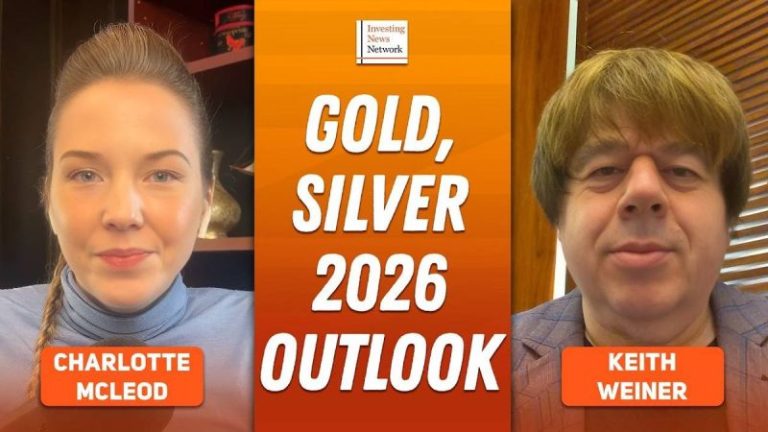
                                    Keith Weiner, founder and CEO of Monetary Metals, shares his outlook for gold and silver in 2026, saying that while he expects higher prices there will be volatility.

                                    He also outlines his thoughts on the role of precious metals in the monetary system.

                                    Securities Disclosure: I, Charlotte McLeod, hold no direct investment interest in any company mentioned in this article.

                                    This post appeared first on investingnews.com